

Market Reality: Global AI in marketing spend hit $107 billion in 2025 (Statista) and is forecast to reach $220 billion by 2028. Businesses not using AI marketing tools are competing with one arm tied behind their back.
Lorem ipsum dolor sit amet, consectetur adipiscing elit. Ut elit tellus, luctus nec ullamcorper mattis, pulvinar dapibus leo.
lower CPL on average with AI-optimised vs manually managed campaigns
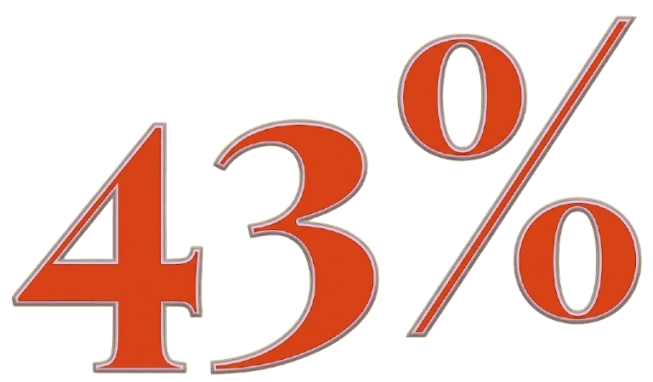
improvement in ROAS for brands fully adopting AI ad systems

more ad creative variations tested per campaign with AI creative tools
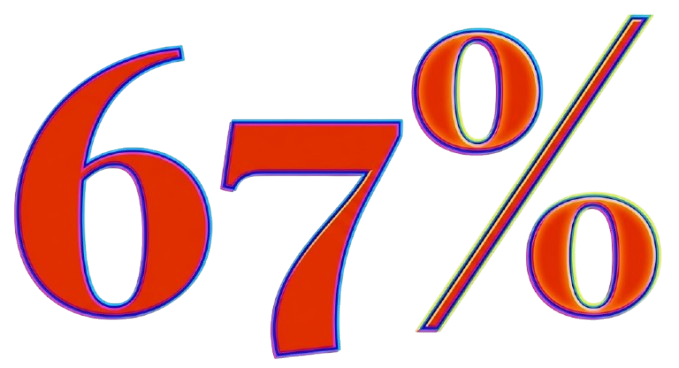
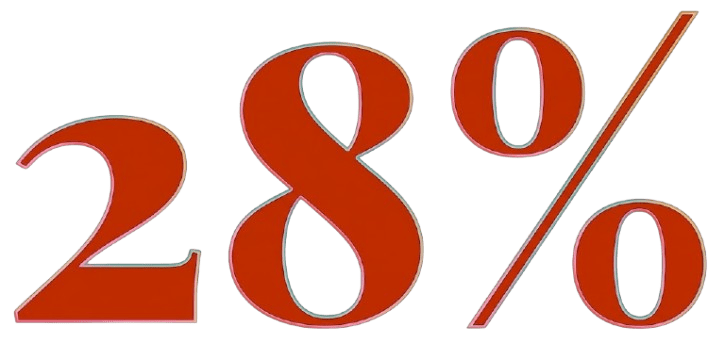
of digital ad spend managed by AI systems in 2026
Each user sees different content based on behavior, history, and intent signals.
Emails are delivered when each individual is most likely to open.
AI continuously improves subject lines, layouts, and offers automatically.
Product suggestions adapt in real time to user preferences and actions.
AI forecasts high-performing content formats 2–3 weeks in advance, helping brands stay ahead of trends instead of reacting late.
Multiple creative variations are tested automatically, with AI identifying winning combinations in real-time.
AI continuously scans competitor strategies, revealing what’s working in your niche without manual research.
Generate platform-native captions tailored for Instagram, LinkedIn, and TikTok with tone and engagement optimization.
AI measures brand sentiment across millions of conversations instantly, detecting shifts before they escalate.
Process massive volumes of mentions and conversations to uncover actionable insights at scale.
Traditional analytics shows you what happened. Reports are static, reactive, and often delayed — giving insights only after opportunities are missed.
Tools like Google Analytics 4, Mixpanel AI, and Amplitude Compass now go beyond dashboards. They provide predictive insights, real-time intelligence, and automated analysis across user behavior.
I analytics shows you what will happen — and what to do about it.Identify high-converting customer segments,detect drop-offs before they appear in reports,predict underperforming campaigns before budget is spent
The 2026 Marketing Stack: Strategy → Audience Research (AI) → Content Production (AI + Human) → SEO Optimisation (AI) → Distribution (AI) → Advertising Optimisation (Platform AI) → Analytics & Insights (AI) → Human Decision-Making → Repeat. The human is in the loop at the top and bottom — everywhere else, AI operates.
AI is changing SEO in three major ways: (1) Google's AI Overviews mean brands need topical authority and entity optimisation, not just keyword targeting. (2) AI tools like Semrush AI now enable predictive keyword research — knowing what people will search before they do. (3) AI content tools make it economically viable to cover entire topic clusters comprehensively, building the authority needed to rank.
AI will replace the execution functions of digital marketing — campaign management, reporting, content drafting, A/B testing. It won't replace strategic thinking, creative direction, brand building, or stakeholder relationships. Marketers who upskill into AI orchestration roles will be significantly more valuable, while purely executional roles will diminish.
For most businesses, the answer is an AI SEO tool (Surfer SEO or Semrush AI). SEO improvements compound over time — rankings you earn today keep delivering traffic for years. The second most impactful addition is AI email personalisation if you have an existing email list.
Track these AI-specific KPIs: content production velocity (pieces per week before vs. after AI), organic traffic growth rate, email open and conversion rates, ad ROAS before vs. after platform AI adoption, and cost per lead across channels. Most businesses see measurable improvements across all five within 90 days of AI implementation.