The best SEO services in the USA give you proof, not promises. That means an audit with findings, a keyword plan, edited pages, useful content, accurate local listings, earned links, and a monthly report. Digital Root documents each deliverable, and this page shows what each one should look like and a check you can run yourself.
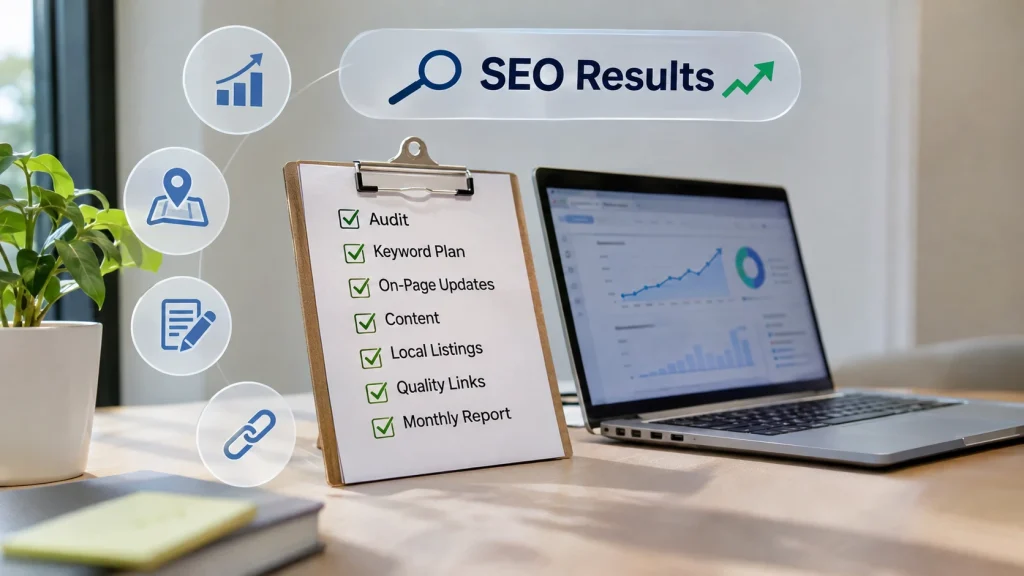
One person turns your business goal into a keyword and page plan.
Someone checks how Google crawls, renders, and indexes your site.
Writers and editors produce pages that answer real searches.
Outreach, listings, and press work earn mentions from other sites.
An analyst shows what changed and what happens next.
A good SEO agency team, like those at the best SEO agencies in the USA, covers strategy, technical fixes, content, links and mentions, and reporting, even when one person holds more than one role. You do not need to meet every specialist, but you should know who owns each job and who answers your questions.
Our top SEO companies in the USA page shows how Digital Root compares on price and plans. This page looks at the people instead.
Eight SEO specialist roles appear most often at the best SEO agencies in the USA. Small agencies combine several roles in one person, while larger ones split them. What matters is that every job has an owner.
The strategist sets the direction. This person studies your market, picks the keywords that match your goals, and decides which pages to build, fix, or leave alone. Many agencies also let the strategist run the monthly review with you.
Plan check. Who writes the plan, and how often does it change? A strategist who only sends a keyword list is doing a fraction of the job.

In the best SEO agencies in the USA, this specialist handles what visitors never see: crawl paths, page speed, redirects, canonical tags, structured data, and indexing problems. The work protects your pages from technical faults that hide good content from Google.
Repair check. Who fixes the problems found in the audit? Some agencies report issues and leave the repair to you.

The content strategist plans topics and page types, and the writers and editors turn those plans into pages. Good teams add a fact check and a subject expert where the topic needs one. Our content-first approach explains how that process works.
Content check. Who writes my pages, and who checks the facts? Look for named responsibility, not a vague promise of quality content.

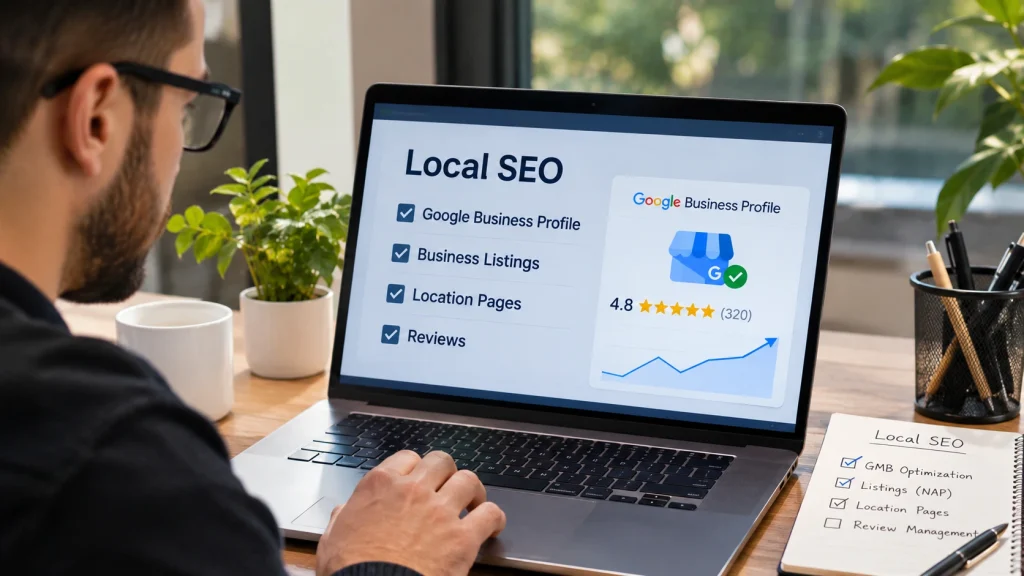
A local specialist manages your Google Business Profile, business listings, location pages, and review habits. This role matters most to shops, clinics, and service companies that customers find by city or neighborhood.
Listing check. How do you keep business details identical on every listing? Consistent details help both customers and search engines trust a business.
This person earns mentions and links from other sites through useful articles, press releases, partnerships, and direct outreach. The work is slow and relationship-based, which is why shortcuts such as bulk directories and paid link schemes put sites at risk.
Outreach check. Which kinds of sites will you approach, and how do you decide? Our white-hat standards page lists the practices that protect a site.

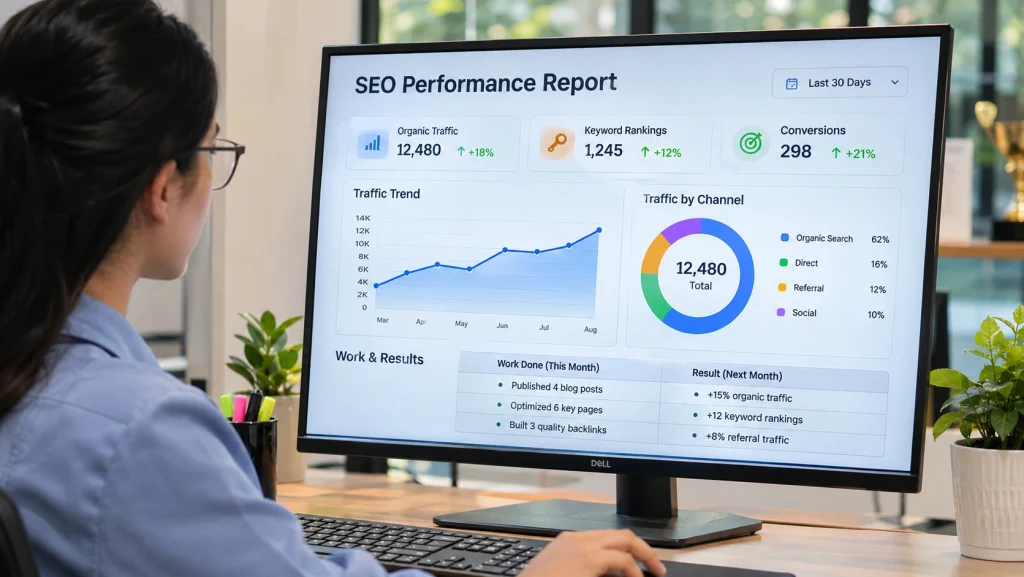
The analyst sets up tracking, checks that the numbers are accurate, and explains what they mean. Reports should show rankings, traffic, and actions taken, not only a list of activity.
Report check. Do I see the same data that you see? Reports are most useful when they connect work done in one month to results in the next.
Some fixes need a developer: a slow template, a broken checkout, a layout that fails on phones. A developer on or near the team shortens the wait between finding a problem and fixing it.
Access check. Can your team change my site directly, or will my own developer need to do it? The answer sets how fast fixes ship.

The project lead is your day-to-day contact. This person tracks deadlines, collects approvals, passes questions to the right specialist, and keeps the work moving. Without a lead, even a skilled team can feel scattered.
Contact check. Who is my contact, and what is the usual reply time? A named person with a clear routine beats a shared inbox.

Agencies organize people in one of four ways, and each model has trade-offs for you. Ask which one the agency uses before you sign, because it decides who reads your emails and how fast work moves.
Not every project needs all eight roles at full strength, so compare the best SEO agencies in the USA by how well they match the team to your goal. Paying for a role you do not need wastes budget, while missing a needed role stalls the work.
Put the local specialist, the content writer, and a lead at the center. You gain most from a strong Google Business Profile, consistent listings, and service pages for each area. Our local SEO service covers this work.
Technical skill matters most here, because large catalogs create duplicate pages, filter URLs, and crawl waste. Add a content writer for category pages and a developer for template fixes. See our ecommerce SEO services for the full scope.
A content strategist, writers, and an outreach specialist carry this kind of project. The work depends on steady publishing, and on earning mentions that show your pages are worth citing.
A new design can lose rankings if redirects, titles, and page structure change without a plan. Bring a technical specialist and a developer in before launch. See our website design and development services can pair the build with the SEO plan.
In-house vs. agency SEO is not a contest, because each option fits a different situation. An in-house marketer knows your products and sits close to your sales team, while an agency brings a wider mix of skills at a shared cost.
In-house fits when you need daily work on a large site and can pay for several full-time specialists.
An agency fits when you need strategy, technical depth, and content together without hiring a whole department.
A hybrid fits when you already have a marketer or developer and want outside support for the gaps.
Hiring a single person means that one person must cover strategy, technical work, writing, and reporting. Few people are strong at all four, so a small business often finds a team less risky than a single hire. Our guide to SEO by company stage shows how this choice changes as you grow.
Which people will work on my project, and which of them will I speak?
Which roles are in the agency, and which are handled by outsiders?
Does the person who sells the work also do the work?
What happens to my project if the lead leaves or goes on leave?
Who approves changes before they go live on my site?
How many accounts does each specialist handle at one time?
Can I see a sample report and a sample page written by the team?
Ask direct questions about staffing before you sign any of the best SEO agencies in the USA, because answers about staffing are hard to fake. These seven are new compared with the general buying questions on our other pages.
Clear, specific answers show a team that has thought about its process, much as the best SEO agencies in the USA do. Vague answers, or a refusal to name roles, suggest that the work may be thinner than the pitch.

Digital Root runs a dedicated SEO team in the way the best SEO agencies in the USA describe their work, and offers SEO, pay-per-click, social media, and web development under one roof. That setup means your SEO work, your ads, and your site changes can be planned together instead of passed between companies.
The team works from our Ohio office and supports clients across the US remotely. Google tells site owners that they answer for the work of any company they hire, so read Google's guide on whether you need an SEO professional before you choose any agency.
No. You need to know who owns each job and who your main contact is. Most clients speak with a project lead or strategist, while specialists work in the background. Ask for an introduction to the technical or content lead if your project depends heavily on that area.
Yes, on small projects. One specialist can plan keywords, fix titles, and write a few pages. The risk grows with the size of the site, because technical work, content, and outreach all need time. Ask how the agency will add people when your project grows.
No. A big team can mean more skill, but it can also mean more handoffs and less attention to your account. A smaller team that knows your business may serve you better. Clear answers about who does what are the best test of a team.
Yes, if your site needs changes that the agency cannot make. Agree early on who edits templates, who tests changes, and who signs off. Shared notes about each change help both sides avoid broken pages and repeated work.
Ask for a short handover meeting and a written summary of open tasks, recent changes, and what comes next. A good agency expects this question. Continuity matters more than the name of the person.
Look for a clear record of tasks done, changes made, and pages published, tied to the reports you receive. Digital Root sends three monthly reports for this reason. Ask any agency to show the work behind the numbers.