
01 · Planning
Map every real location and priority market.
A company with five stores, 40 franchise owners, or a service area across many states faces problems a single-shop business never meets. Pages can overlap, listings can disagree, and reports can hide weak cities. This page explains how strong agencies solve those problems and how Digital Root covers the country.

Strong agencies give every real location its own useful page, its own Google Business Profile, and its own reporting, while a national plan keeps the brand message and technical base consistent. They avoid copying one page across many cities, because that approach can look like doorway abuse to Google.
We work this way. Our dedicated SEO team runs national campaigns, writes city pages for 18 major markets, and adds more local business listings as you move up the plans. Four habits separate strong agencies from weak ones:
Real local value. Each location page tells visitors something true about that place.
One profile per real location. Profiles match actual, staffed addresses and service areas.
Consistent details. Names, addresses, and phone numbers match across every directory.
Reporting by location. You see results for each city, not only one blended total.
National SEO, local SEO, and multi-location SEO are three different jobs, and the best SEO companies in the US pick the mix that fits how your customers buy. A national campaign targets searches without a place name, local SEO targets one area, and multi-location SEO manages many areas at once.
A provider that sells only national SEO may ignore your store pages. A provider that sells only local SEO may have no plan for category rankings. The best SEO companies in the US state their plan for all three. Ask which of the three jobs the agency has planned for, and ask who will own each one.
Multi-location SEO works when each place gets its own proof of existence: a useful page, a verified profile, matching listings, local reviews, local content, and its own numbers. The six steps below describe the work and how Digital Root applies each step.
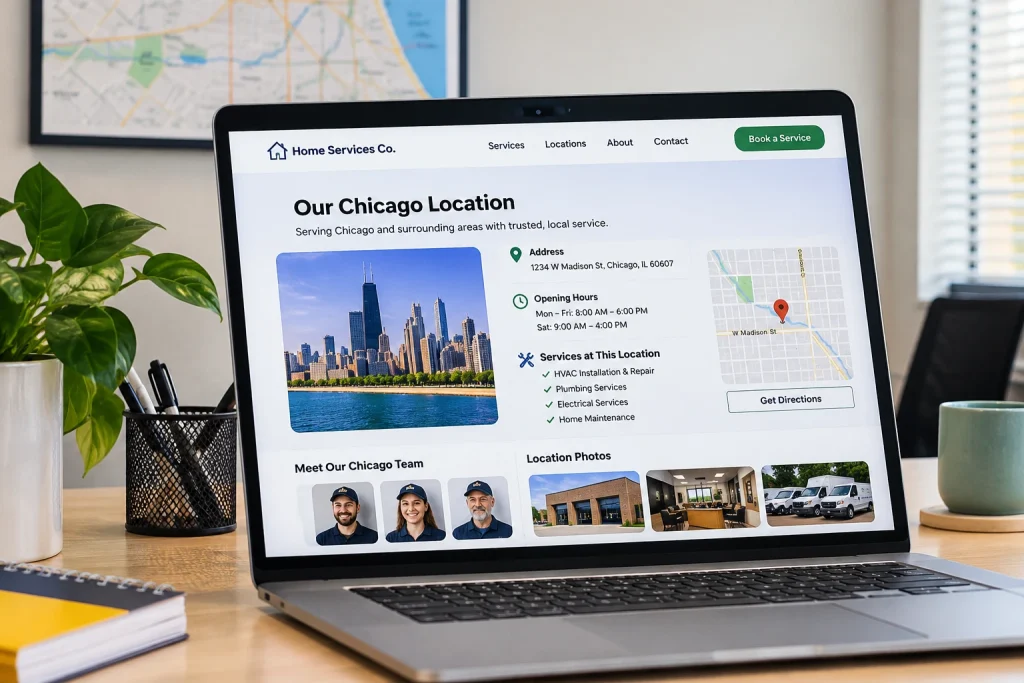
A location page earns its place only when it answers questions about that specific place. Useful pages carry the full address, opening hours, a map, the services offered there, the staff or team who work there, photos of the actual site, and directions or parking notes.
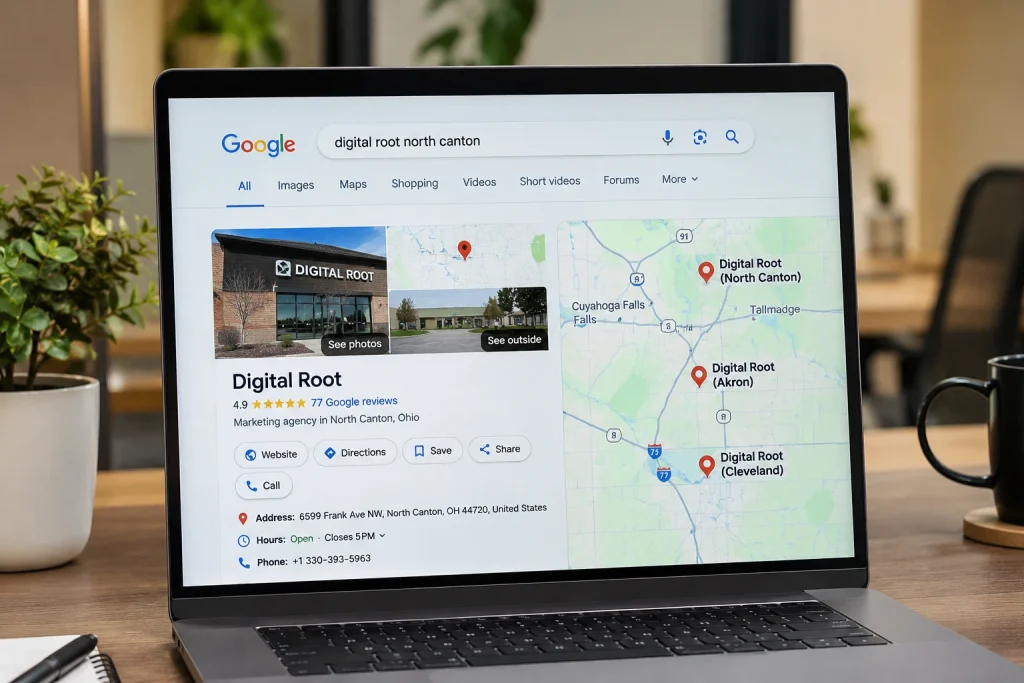
Each eligible location should have its own Business Profile with correct categories, services, hours, photos, and posts. Google's guidelines say a virtual office that only rents an address is not eligible, and a service-area business should list one profile for its central location with a designated service area. You can read the rules in Google's guidelines for representing your business.
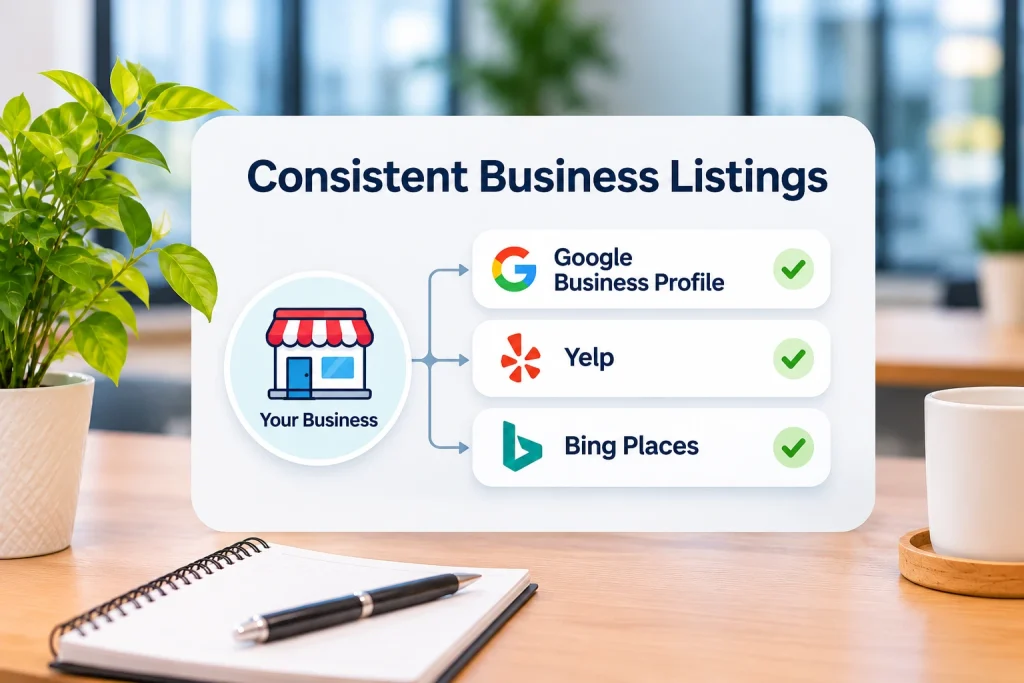
Search engines compare how your company is listed on directories, maps, and websites, down to the street abbreviations and phone format. When one listing says "Suite 4" and another says "Unit 4B," trust drops. Agencies that run multi-location SEO keep one master record per location and update every listing from it.
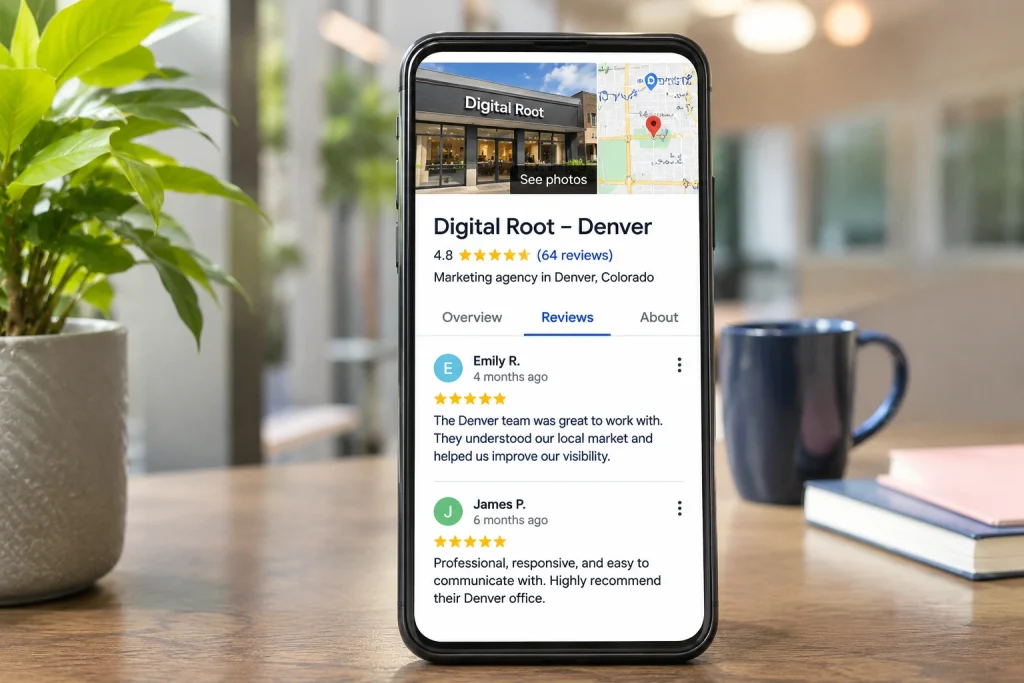
Reviews belong to a place, not to a brand. A customer in Denver wants to read about the Denver team. Good agencies set up a simple, honest review request routine for every location, answer reviews in the owner's voice, and flag service problems to the business instead of hiding them.
Local content shows that the business knows the area. Examples include a guide to a neighborhood your clinic serves, a seasonal checklist that fits the local climate, or a story about a community event your store joined. Every plan includes monthly blog posts and articles, and we can point part of that output at your key cities.

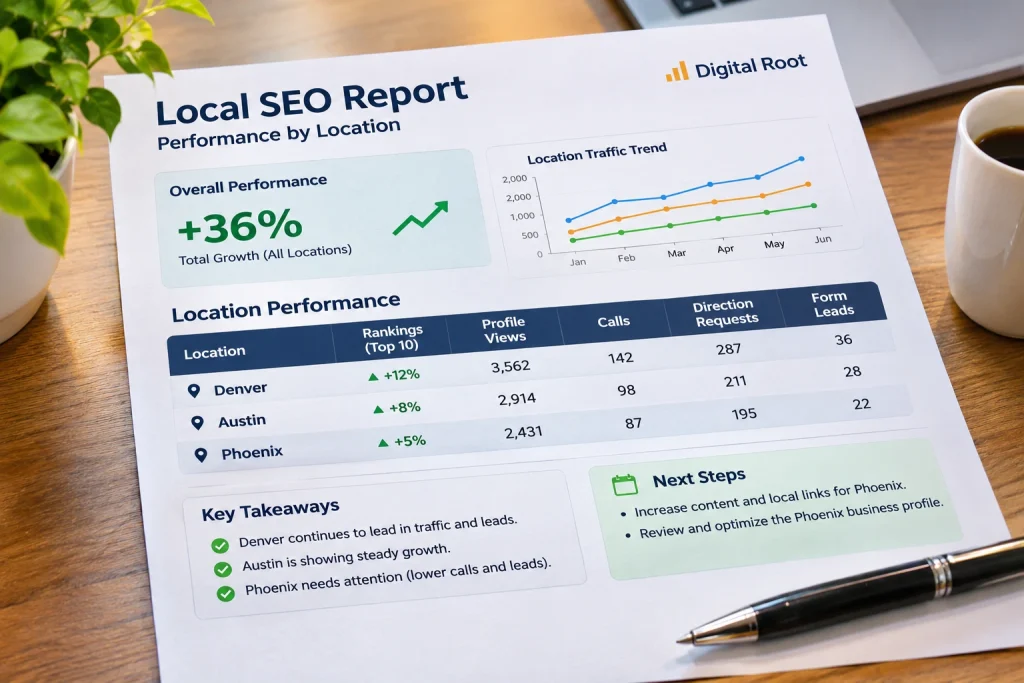
One blended report can hide a failing city behind a winning one. The best SEO companies in the US break results down by location: rankings, profile views, calls, direction requests, and form leads, where tracking allows. Every plan comes with three monthly reports, and location pages can be tracked separately in the analytics report.
Watch for these warning signs when an agency proposes city pages:
One city, a few regions, or the whole country.
One city, a few regions, or the whole country.
One city, a few regions, or the whole country.
One city, a few regions, or the whole country.
Build fewer pages and make each one useful. Give a page to each real location and to major service areas where you truly work. Add unique details, photos, and answers, and link the pages from a clear location directory so visitors can browse them. If a market is too small for a full page, a short section on a regional page may serve it better.
Thin location pages are pages built to catch city searches that offer visitors almost nothing, and they can cross into what Google calls doorway abuse. Google's spam policies describe doorway abuse as sites or pages created to rank for specific, similar queries that lead users to intermediate pages that are less useful than the final destination.
Among the examples Google lists are multiple domain names or pages aimed at specific regions or cities that funnel users to one page, and substantially similar pages that sit closer to search results than to a clear, easy to browse site structure. Google does not ban location pages. The risk comes from pages that exist only to funnel traffic.
Franchise SEO works best when the brand and each franchisee agree on who controls what before any page goes live. Franchise SEO has a tension built in: the brand wants consistency, and each owner knows the local market better than head office does.
Who owns the profiles. Brand-owned profiles keep control if an owner leaves, while owner-managed profiles can respond faster.
Who answers reviews. Fast local replies help, but the brand may want tone rules.
Who approves local content. A short approval step protects the brand and still uses local knowledge.
How leads are routed. Calls and forms need to reach the right franchisee quickly.
How results are shared. Each owner should see their own location's numbers, and the brand should see the full picture.
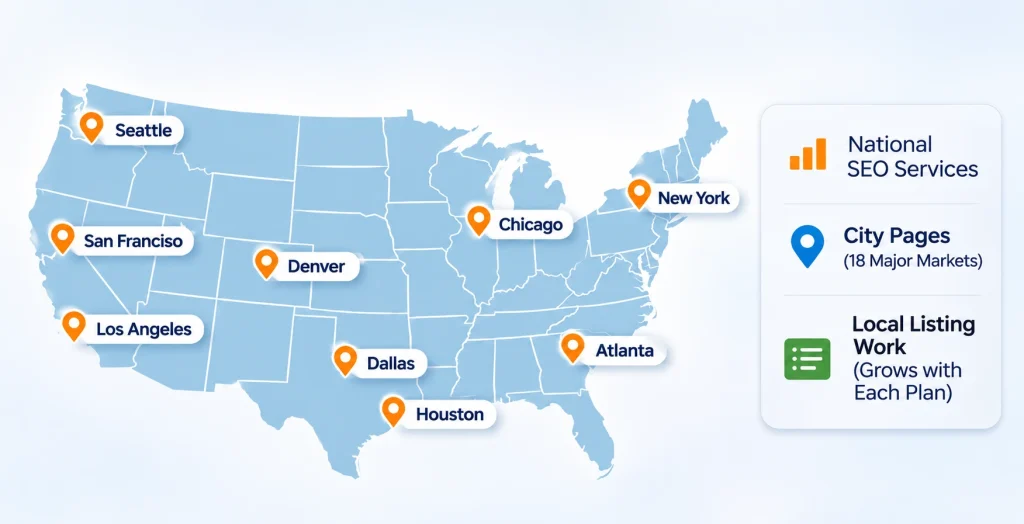
Digital Root covers the US with national SEO services, city pages for 18 major markets, and local listing work that grows with each plan. We work from our Ohio office and serve every area remotely, so we do not claim a local office in any city. Few of the best SEO companies in the US run every market from one office, and we do not pretend otherwise.
Our city pages show how we approach a market, with examples such as SEO services in New York , Chicago, and Houston . You can see the full list of cities on our page about the best SEO company in the USA .
Category pages and broad search visibility.
City pages that explain our market approach.
Listing work that scales with each plan.
Service across the US from our Ohio office.
Our four monthly plans scale the local work. Each one starts from the same first-hand site analysis and technical checklist, adds social media basics, and comes with monthly reports and a support team you can reach.
Our national SEO services lean on category pages, helpful content, technical health, and links earned by publishing useful articles, claiming listings, issuing press releases, and doing digital PR and outreach. We avoid shortcuts that Google's spam policies can penalize. Our comparison with other top SEO companies in the USA explains the six points where we stand apart.
Each campaign follows four stages: planning, execution, testing, and optimization. For a multi-location client, the planning checkpoint maps every real location. Execution builds pages and profiles. Testing checks details across directories. Optimization uses the monthly numbers to move effort to the cities that need it.
Map every real location and priority market.
Build useful pages and profiles.
Check business details across directories.
Use monthly results to refine city-level work.
Also, check how the agency talks about its own track record. Among the best SEO companies in the US, you will see methods and limits explained clearly. Treat any promise of first-page rankings in every city as a warning sign. For help with selection, read our guide to the qualities of the best SEO company, or review the top SEO company in the USA approach built around one business goal.
How will you decide which locations get their own page?
What will make each location page different from the others?
Who will manage and verify the Business Profiles, and how?
How will you keep names, addresses, and phone numbers the same everywhere?
Will I see results for each location every month?
Before you sign with any provider, ask five direct questions about how it will treat your locations. The answers show whether the agency has real multi-location experience or only a template.
Multi-location SEO is the work of helping a business with several branches, stores, or offices appear in search results for each place it serves. It covers location pages, one Business Profile per real location, matching listings, local reviews, and reporting by location.
Yes. National SEO, the work of the best SEO companies in the US for online brands, aims for broad searches without a place name, so it relies on category pages, content, and links from wide sources. Local SEO aims at map results and searches tied to a place. Many growing businesses need both at once.
Among the best SEO companies in the US, a single regional page is a common choice for small markets, and it can work when the business truly serves those areas and the page offers real detail for each one. Copying the same text across many city pages is riskier, because Google treats pages made only to rank for similar queries as possible doorway abuse.
Either model can work if the roles are written down. Brand-managed profiles keep consistency and control. Owner-managed profiles can react faster to local questions. Many franchise systems share the work, with the brand setting rules and each owner handling reviews and updates.
Our plans scale local reach through the number of local business listings: one, two, four, or ten per month from Basic up to Premium. For a business with many locations, we plan the order of work during the free consultation and agree on a scope that fits.
No. Digital Root is based in North Canton, Ohio, and serves cities across the US remotely. We do not claim local offices or local staff in the markets we support. We study each market, build useful pages, and report results by city.